
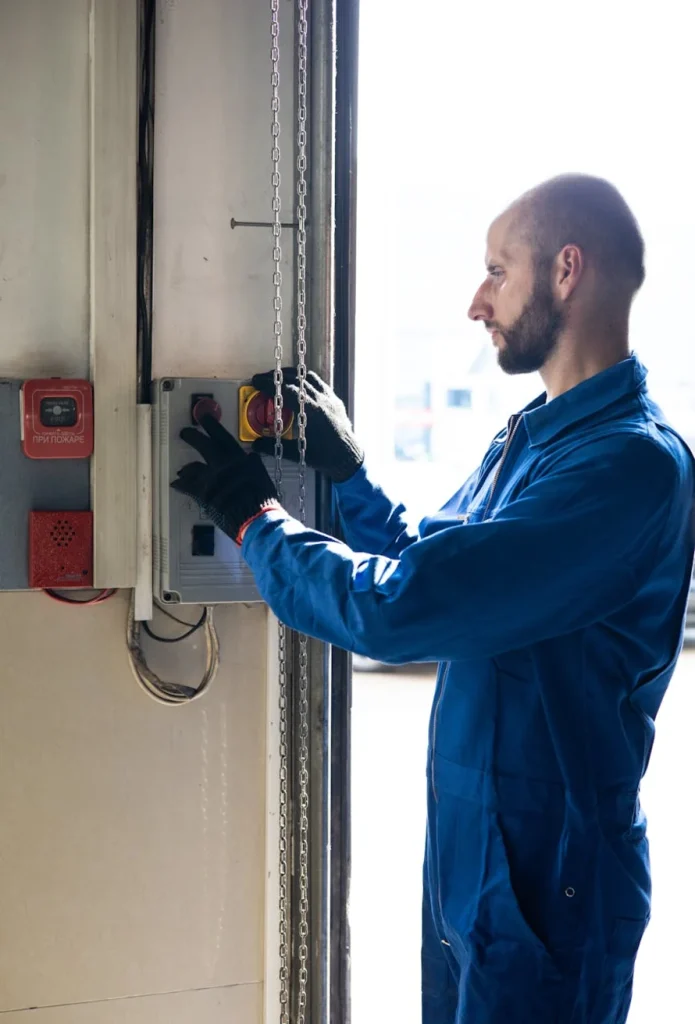
An automatic garage door is only as reliable as the power supply behind it. Many Perth homeowners assume the existing power point in the garage will handle a new motorised opener without a second thought. That assumption often falls apart the moment an installer inspects the setup. Assessing electrical readiness is part of the planning your local garage door installation team works through before fitting an opener, and it is worth understanding why that step matters.
This is the infrastructure that makes automatic operation possible. Get it right early, and the door runs smoothly for years. Skip it, and you invite nuisance faults, tripped circuits or worse.
Why an Automatic Door Needs a Proper Power Source
There is a real difference between a suitable supply and a stray extension lead running across the garage floor. Extension cords are not designed for permanent, repeated loads. They can overheat, present a trip hazard, and cause voltage drops that leave a motor straining every time the door cycles.
A motorised opener needs a fixed, reliable connection to mains power. That means a properly installed power point, ideally on a circuit that can handle the demand without competing with other appliances. Treating the electrical supply as an afterthought is one of the most common oversights when people plan an upgrade.
Dedicated Circuits and Outlet Placement
Where the power point sits relative to the motor unit makes a genuine difference. The outlet should be positioned close to the opener head, which is usually mounted centrally on the ceiling above the door. A nearby outlet keeps cabling short, tidy and free of the temporary fixes that create problems later.
A dedicated circuit is often the sensible option. When the opener shares a circuit with lights, freezers or power tools, a heavy simultaneous load can trip the breaker. A dedicated line removes that risk and keeps the door working independently of what else is running in the garage.
Voltage, Load and What a Modern Opener Draws
Most residential openers run on standard household voltage, but the load is not constant. An opener draws its heaviest current at the moment it starts moving the door, then settles into a lower draw once the door is in motion. That start-up surge is what a good electrical setup must accommodate.
If the supply cannot cope with the surge, you may see flickering lights, slow starts or intermittent faults that are easy to blame on the motor itself. In reality, the underlying issue is often the power feed. Matching the circuit to the opener’s demand prevents these frustrating symptoms.
Safety Sensors, Wiring Runs and Low-Voltage Components
Automatic doors rely on more than just the main power connection. Safety sensors mounted near the floor detect obstructions and stop or reverse the door, and these run on low-voltage wiring linked back to the opener. Wall control buttons, keypads and remotes also form part of this network.
These wiring runs need to be routed neatly and protected from damage. Loose, exposed or poorly terminated low-voltage cabling is a frequent cause of sensors misbehaving. When the wiring is planned properly, the safety features work as intended every time the door moves.
Compliance and the Right Trade for the Job
Electrical work in Western Australia carries clear rules. Installing a new power point, wiring a dedicated circuit or altering the mains supply is licensed electrical work and must be carried out by a qualified electrician. A door installer handles the opener, tracks and mechanics; an electrician handles the fixed wiring.
These two trades often work side by side. If your garage already has a suitable outlet in the right place, the electrical side may be straightforward. If it does not, arranging an electrician to prepare the supply before the opener goes in keeps the whole project compliant and safe. This is covered in the broader groundwork discussed in preparing your garage for a new door.
Backup Power and Planning for Outages
Perth sees its share of storms and grid interruptions, and a power cut can leave a motorised door stuck. Every automatic opener includes a manual release cord that disengages the motor so you can lift the door by hand, which is essential to know before you ever need it.
For homeowners who want the door to keep working during an outage, some openers support battery backup units. These store enough charge to run the door for a limited number of cycles when mains power is unavailable. Whether you need one depends on how you use the garage and how often outages affect your area.
- Locate and test the manual release cord so you can operate the door by hand if needed.
- Consider a battery backup if the garage is your main entry point.
- Keep the release mechanism clear of stored items and clutter.
Where the Details Matter Most
Having the correct power supply in place is only half the story. Even with a well-planned circuit and a suitable outlet, the way these electrical and mechanical elements are connected and configured is where trouble tends to appear. Poor wiring choices, mismatched components or skipped checks can quietly undermine an otherwise sound setup.
Understanding this brings the focus onto the errors that commonly derail a garage door fit-out, so you know what to watch for when the work is done. A door that runs reliably for years usually reflects careful attention paid at exactly these points.