
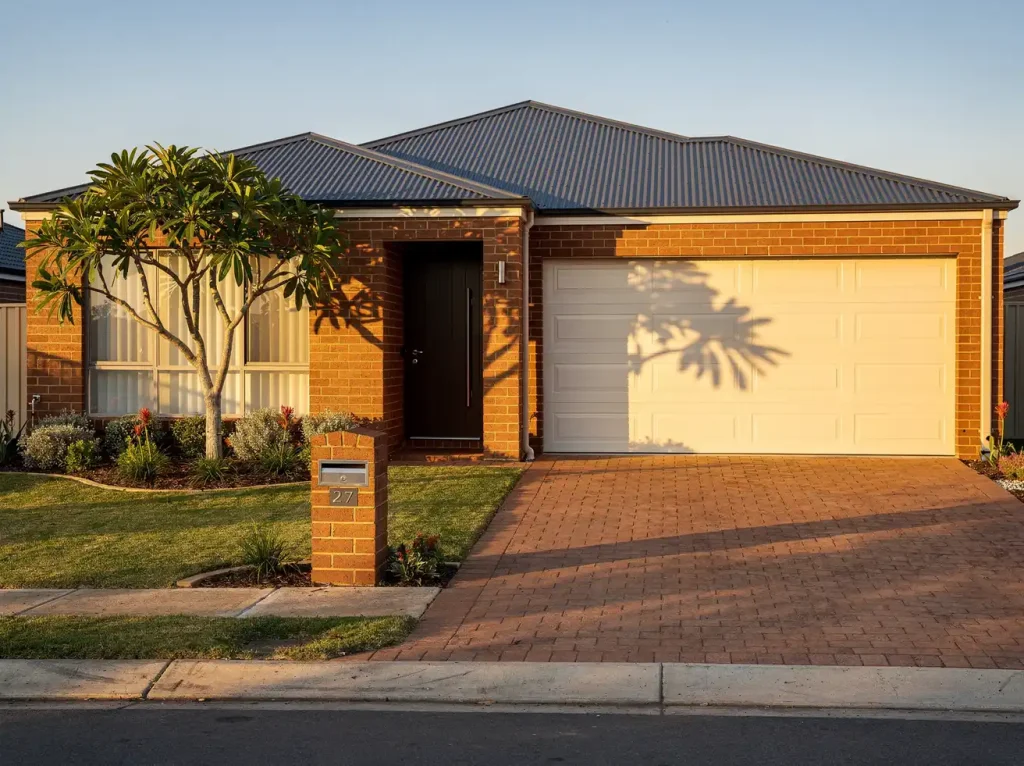
Today’s garage door is far more than a spring and a track. It runs on a circuit board, a logic controller, motion sensors and a wireless remote receiver — all of them delicate electronic parts. A single power surge during a Perth storm can silently degrade or destroy these components long before the door ever shows a mechanical problem. Homeowners often call their local garage door repair team assuming the fault lies in the door mechanism, when it actually traces back to an electrical event they never noticed.
Understanding how surges affect the powered parts of the system helps you spot the difference between an electrical fault and ordinary wear, and it can save you from chasing the wrong repair.
Prefer to watch or listen?
Listen onApple Podcasts
What Happens Electrically During a Power Surge
A power surge is a sudden spike in voltage that travels through the electrical wiring of your home. Your garage opener is built to run on a steady, predictable supply. When the voltage jumps well beyond that level — even for a fraction of a second — it forces excess energy into circuits that were never designed to handle it.
The most vulnerable parts are the low-voltage electronics: the printed circuit board, the logic unit that controls timing and direction, and the receiver that listens for your remote. These components use tiny, heat-sensitive parts. A surge can burn out a single track on a board or weaken a component just enough that it fails weeks later. That delayed failure is why surge damage is so easy to misdiagnose.
Common Sources of Surges in Perth Homes
Surges come from more than just lightning. In Western Australian homes, several everyday sources contribute:
- Summer storms: Perth’s storm season brings lightning strikes and voltage spikes that travel through power lines and into connected devices.
- Grid instability: Fluctuations in the wider network, especially during heatwaves when demand peaks, can push irregular voltage into the home.
- Large appliance loads: Air conditioners, pool pumps and other high-draw appliances create smaller internal surges each time they cycle on and off.
- Faulty or ageing wiring: Loose connections and deteriorating cable can produce erratic voltage that stresses electronics over time.
Most homeowners think only of dramatic lightning strikes, but the smaller, repeated surges from appliances and grid noise often cause the slow, cumulative damage.
Which Components Are Most at Risk
Not every part of the door reacts to a surge the same way. The mechanical hardware — springs, tracks and rollers — is largely unaffected. The electronic core is where the damage concentrates:
- Control boards: The main circuit board is the brain of the opener and the most common surge casualty.
- Logic controllers: These manage travel limits, force settings and direction, and can behave erratically after voltage damage.
- Motor capacitors: A weakened capacitor may cause the motor to struggle, hum or fail to start.
- Safety sensors: The photo-eye sensors near the floor rely on precise signals and can start giving false readings.
- Remote receivers: A damaged receiver may stop recognising remotes or respond intermittently.
Warning Signs a Surge Has Damaged the System
Surge damage rarely announces itself with smoke or sparks. More often it shows up as odd, inconsistent behaviour. Watch for these signs after a storm or an unexplained fault:
- The opener works sometimes and refuses to respond at other times.
- Remotes stop working even after fresh batteries and re-programming.
- The safety sensors trigger reversals when nothing is in the doorway.
- The door opens or closes partway then stops or changes direction on its own.
- The opener is completely dead with no lights or motor response.
If you noticed a storm, a flickering of the lights, or a power outage around the time the trouble started, an electrical cause is very likely. This is different from the gradual symptoms of ageing hardware, which you can read more about in our guide to signs of wear in high-use household garages.
Protective Measures Worth Taking
You cannot stop storms, but you can reduce how much of that energy reaches your opener. A few practical steps make a real difference:
- Use a surge protector: Plugging the opener into a quality surge-protected outlet absorbs voltage spikes before they reach the board.
- Fit a dedicated circuit: A licensed electrician can place the opener on its own circuit, reducing interference from other appliances.
- Disconnect during severe weather: If a major storm is forecast, unplugging the opener removes the risk entirely for that period.
- Address wiring faults early: If your home has known electrical quirks, resolving them protects every device, not just the garage.
These measures are inexpensive compared with the cost and inconvenience of a burnt-out control board.
Making the Call After Surge Damage
Once a technician confirms that a surge caused the fault, you face a decision. In many cases a single component — a board, a capacitor or a sensor — can be replaced affordably and the opener returns to full working order. But when a surge has damaged multiple parts, or the unit is already well into its service life, pouring money into repairs may not be the wiser move.
The right choice depends on the extent of the damage and the age of the system, and that judgement of whether to fix or replace an ageing opener is worth thinking through carefully before you commit either way.