
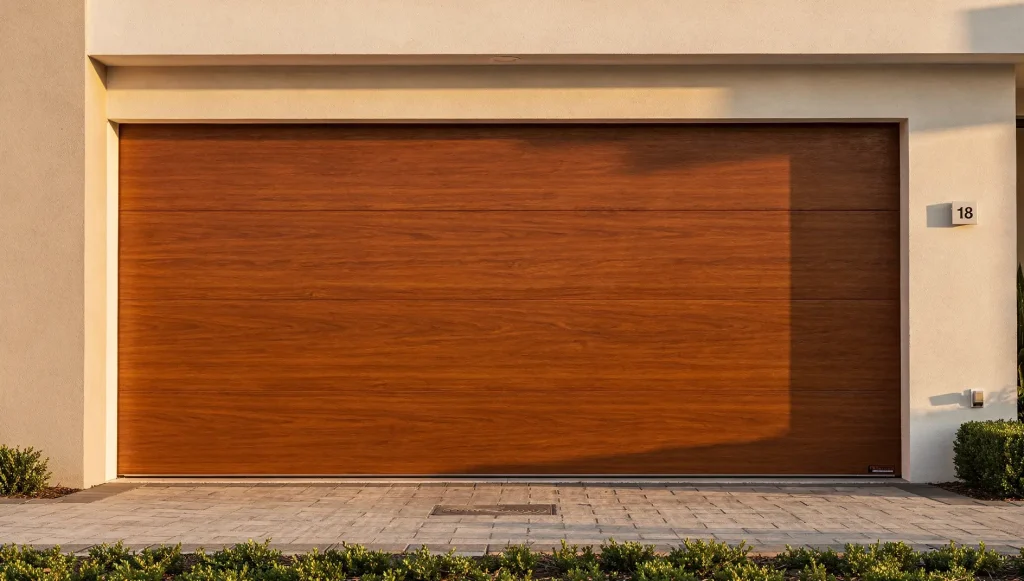
Think of your garage door warranty as the paperwork that keeps a quality install working for you long after the door goes up. It is easy to file the documents away and forget them, but having garage door warranty coverage explained clearly can save a lot of frustration down the track. Owners who work with Perth garage door installation specialists usually receive straightforward guidance on exactly what their coverage includes, so the terms are not a mystery when something goes wrong.
Warranties are not a single blanket promise. They are a set of conditions tied to specific parts, workmanship and ongoing care. Understanding how those pieces fit together puts you in a much stronger position as a door owner.
Prefer to watch or listen?
Listen onApple Podcasts
What Garage Door Warranty Coverage Explained Really Means
Most garage door warranties fall into a few broad categories, and it helps to know which one applies to which part of your system.
- Product warranties cover the physical materials and finish of the door itself, protecting against manufacturing defects in panels and hardware.
- Component warranties apply to moving or mechanical parts such as springs, cables and the opener, often with their own separate durations.
- Workmanship warranties relate to the installation itself, covering faults that stem from how the door was fitted rather than the materials used.
These categories can overlap on a single door. A panel might sit under a product warranty while the motor sits under a component warranty, and the fitting is covered by the installer’s workmanship terms.
Which Parts Are Typically Covered and Why Durations Differ
Not every part carries the same length of coverage, and there is a practical reason for that. Durations usually reflect how hard a component works and how it is rated to perform over time.
- Springs and cables are often rated by cycles, meaning the number of times the door opens and closes. A spring with a higher cycle rating may carry longer coverage because it is built to last through more use.
- Openers and motors are electronic, so their coverage tends to differ from the structural parts of the door.
- Panels and surface finishes may be covered for material defects and, in some cases, for finish deterioration over a defined period.
- Rollers and smaller hardware frequently have shorter terms because they are consumable parts that wear through regular movement.
Because each component faces different stresses, it makes sense that a motor, a spring and a steel panel would each carry their own timeframe rather than a single shared one.
Conditions That Keep Your Warranty Valid
Coverage is rarely unconditional. Warranties generally come with expectations about how the door is installed, used and maintained. Meeting those conditions is what keeps your protection active.
- Correct installation by a qualified installer is usually a baseline requirement. A door fitted incorrectly can void coverage from the outset.
- Regular servicing matters because a serviced door is less likely to suffer avoidable faults, and skipped maintenance can be grounds to deny a claim.
- Avoiding misuse is equally important. Forcing a door, overloading an opener or ignoring early warning signs can all affect eligibility.
These conditions are not there to catch you out. They exist because a door that is properly fitted and looked after performs closer to how it was designed to, which is exactly what the warranty assumes.
What Usually Falls Outside Coverage
Knowing the exclusions is just as useful as knowing the inclusions. Several common situations typically sit outside a standard warranty.
- Normal wear and tear is expected over the life of a door and is not treated as a defect.
- Accidental damage, such as a vehicle bump or impact, generally falls outside the terms.
- Surge-related opener faults caused by power spikes are often excluded, since they stem from the electrical supply rather than the product.
- Environmental deterioration, including corrosion driven by exposure, may not be covered where it results from conditions the door was not protected against.
This is where proactive care becomes valuable. Guarding your door against avoidable harm, including the kind of surface stress covered in our guide to protecting garage doors from UV damage, helps keep problems from ever reaching the exclusion list.
How to Make a Smooth Warranty Claim
If you ever need to claim, good preparation makes the process far simpler. The strength of a claim often rests on the records you keep.
- Hold on to your original purchase and installation documentation, as this establishes what was fitted and when.
- Keep a service history, since a record of regular servicing demonstrates the door has been maintained as required.
- Report faults promptly rather than letting a minor issue develop, because delays can complicate eligibility.
- Describe the problem clearly and provide any supporting detail, such as when the fault first appeared.
With the right paperwork on hand, a claim becomes a straightforward conversation rather than a scramble for evidence after the fact.
Ultimately, a warranty rewards owners who protect their door from preventable damage, and the biggest preventable threat often comes from the surrounding environment. Some Perth locations place far greater stress on a door than others, particularly where salty air speeds up corrosion, which is why understanding the impact of coastal conditions on metal doors is the natural next step for anyone keeping their coverage intact.